Lower Energy Bills
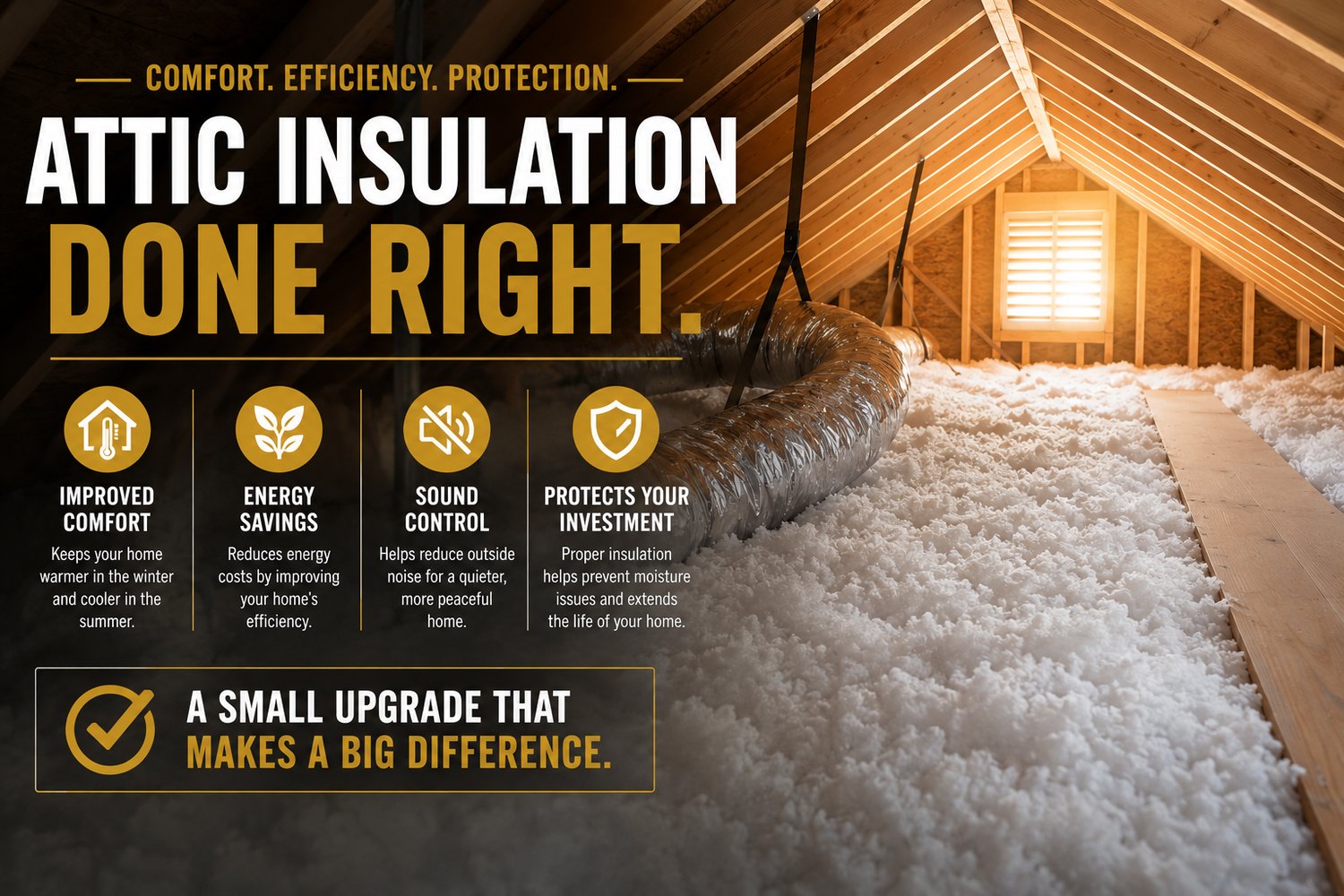
The attic is the #1 source of energy loss. Sealing and insulating it properly means your HVAC runs less and your bills drop — every month, year-round.

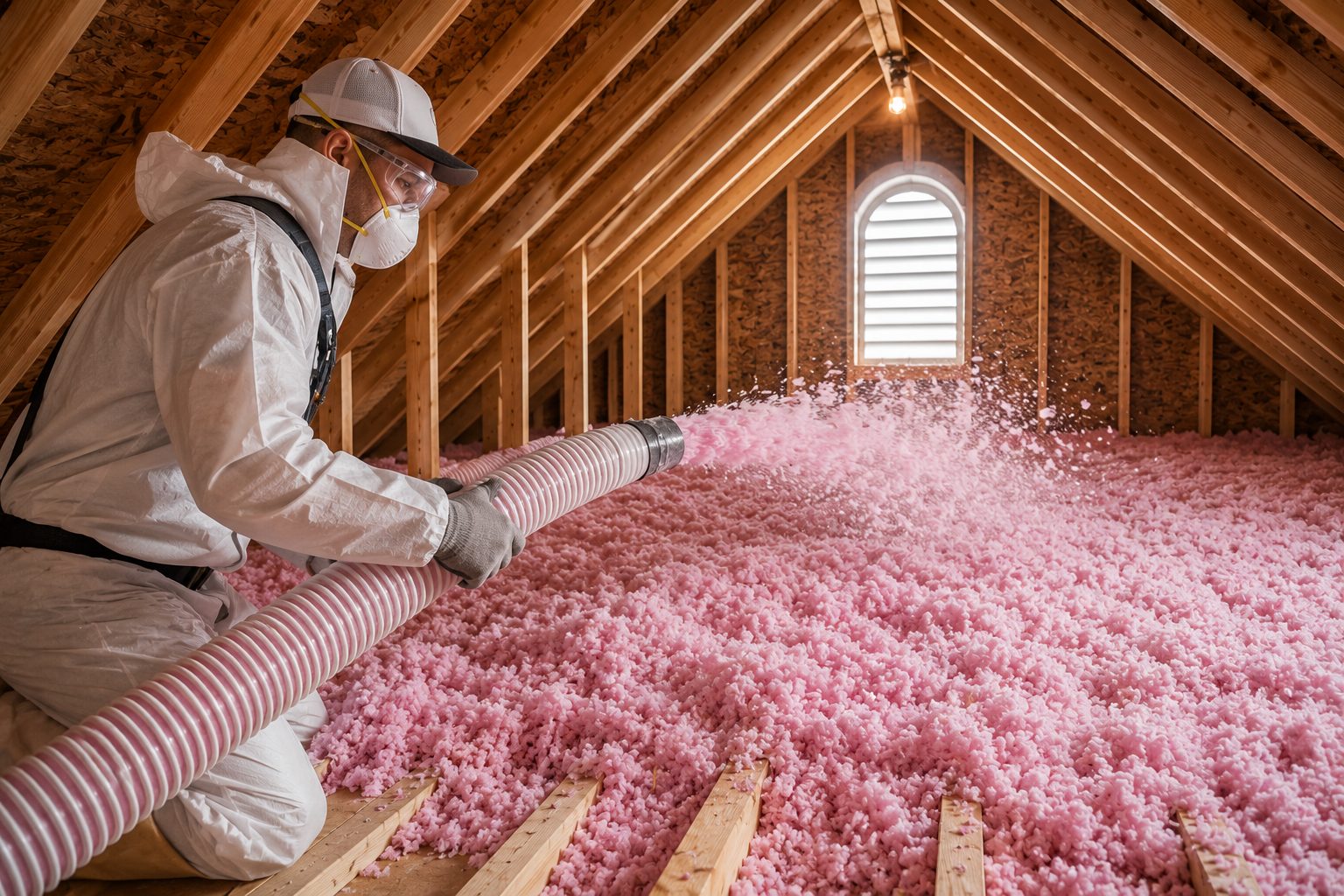
Most of a home's energy escapes through an under-insulated attic. We install Owens Corning blown-in insulation to the DOE-recommended R-49 to R-60 — sealing the leaks and topping off the depth so your HVAC stops fighting the weather.
Heat moves toward cold. In winter your warm air rises and escapes through the attic; in summer attic heat pours down into your rooms. A properly insulated, air-sealed attic is the highest-return efficiency upgrade most NC homes can make.
The attic is the #1 source of energy loss. Sealing and insulating it properly means your HVAC runs less and your bills drop — every month, year-round.
No more hot upstairs and cold downstairs. Proper insulation evens out the temperature swings between floors and rooms.
We build your attic up to the DOE-recommended R-49 to R-60 for North Carolina — the depth that actually performs in our climate.
Correct insulation and ventilation manage attic moisture, reducing the condensation that leads to mold and wood rot.
Air sealing closes the gaps pests and outside air use to get in, making the whole attic envelope tighter.
Most attics are finished in a single day, with your living space protected and the work verified before we leave.
Adding insulation over unsealed leaks is a half-measure. Our process closes the air leaks first, then builds the attic to the right depth with Owens Corning blown-in insulation.
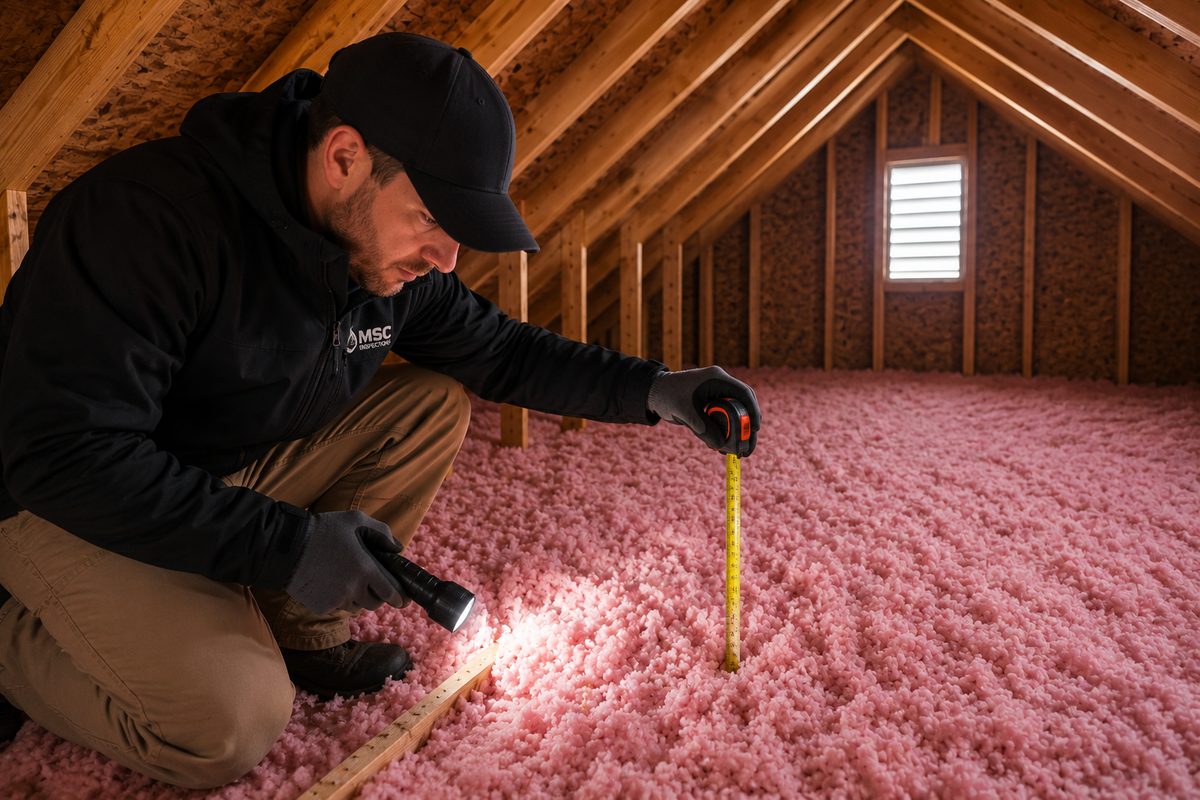
We assess your current insulation depth and R-value, check ventilation, and identify the air leaks that are quietly costing you money.
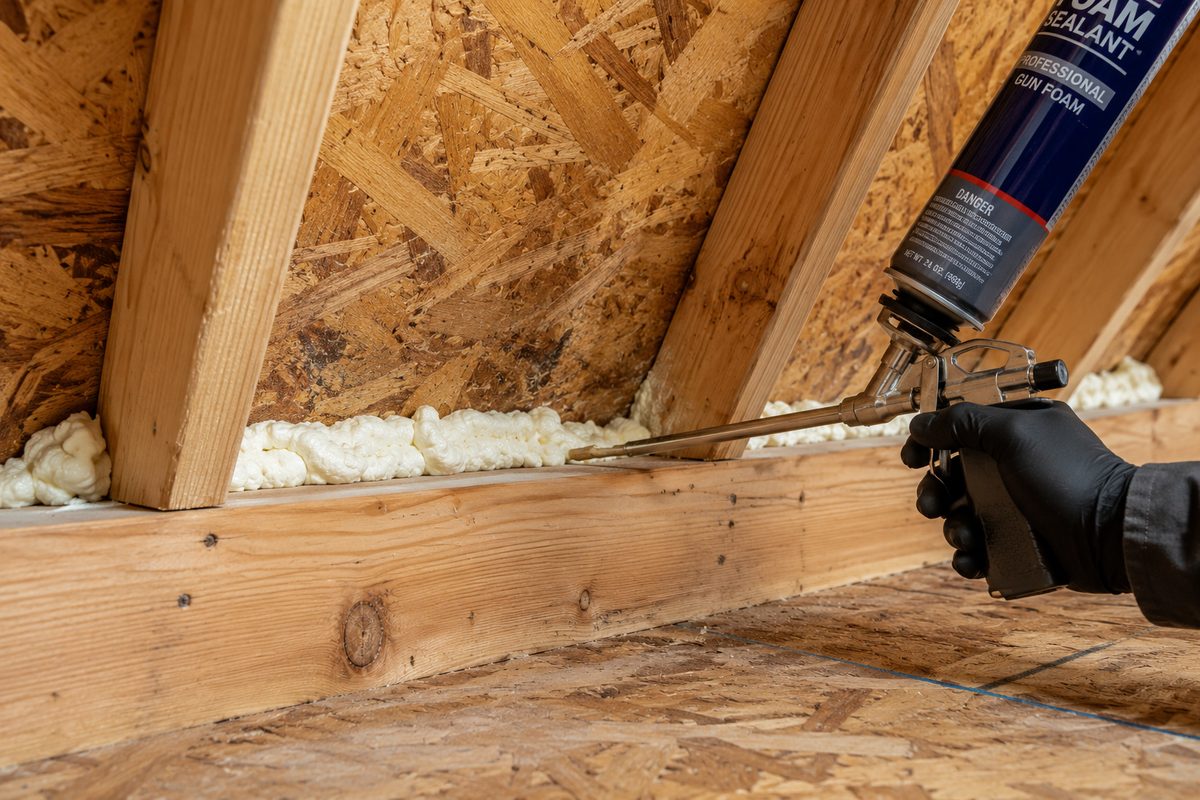
We seal around can lights, top plates, ducts, and penetrations so conditioned air stops escaping — the step most installers skip.
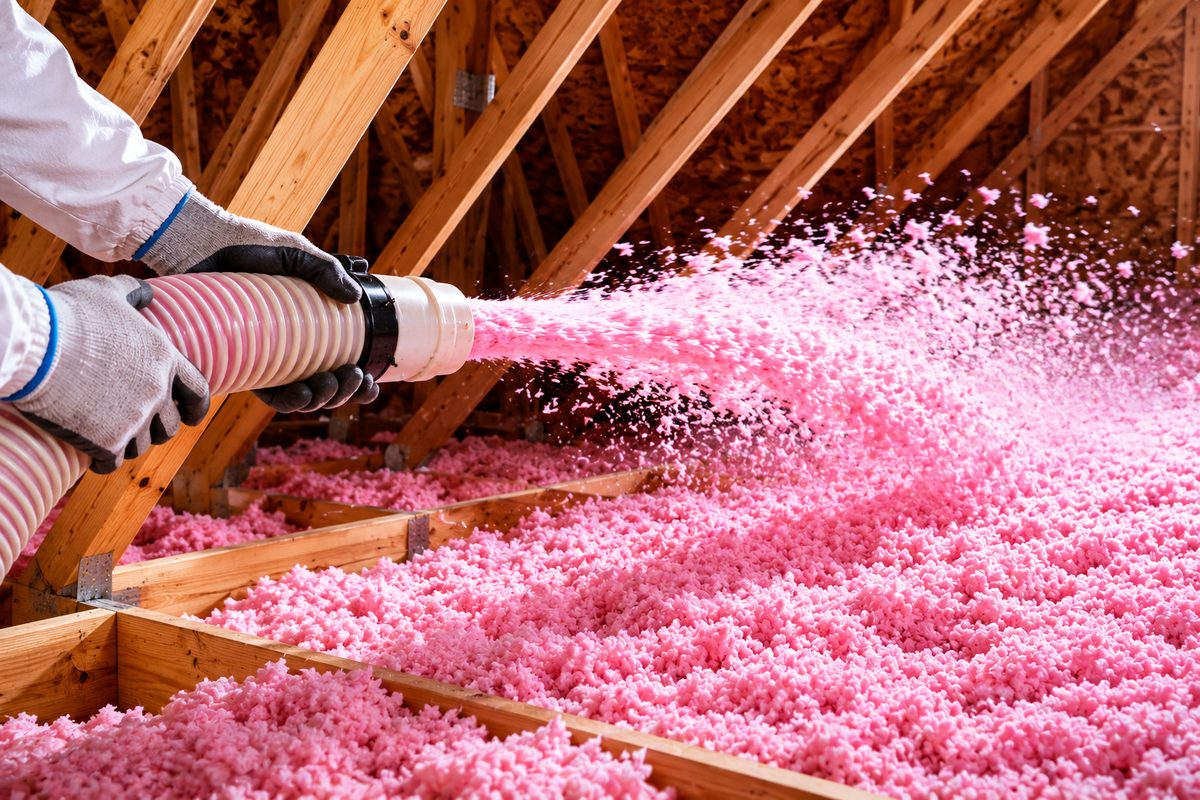
Owens Corning blown-in insulation is applied evenly across the attic floor to the marked depth, filling every gap for consistent, full-coverage performance.
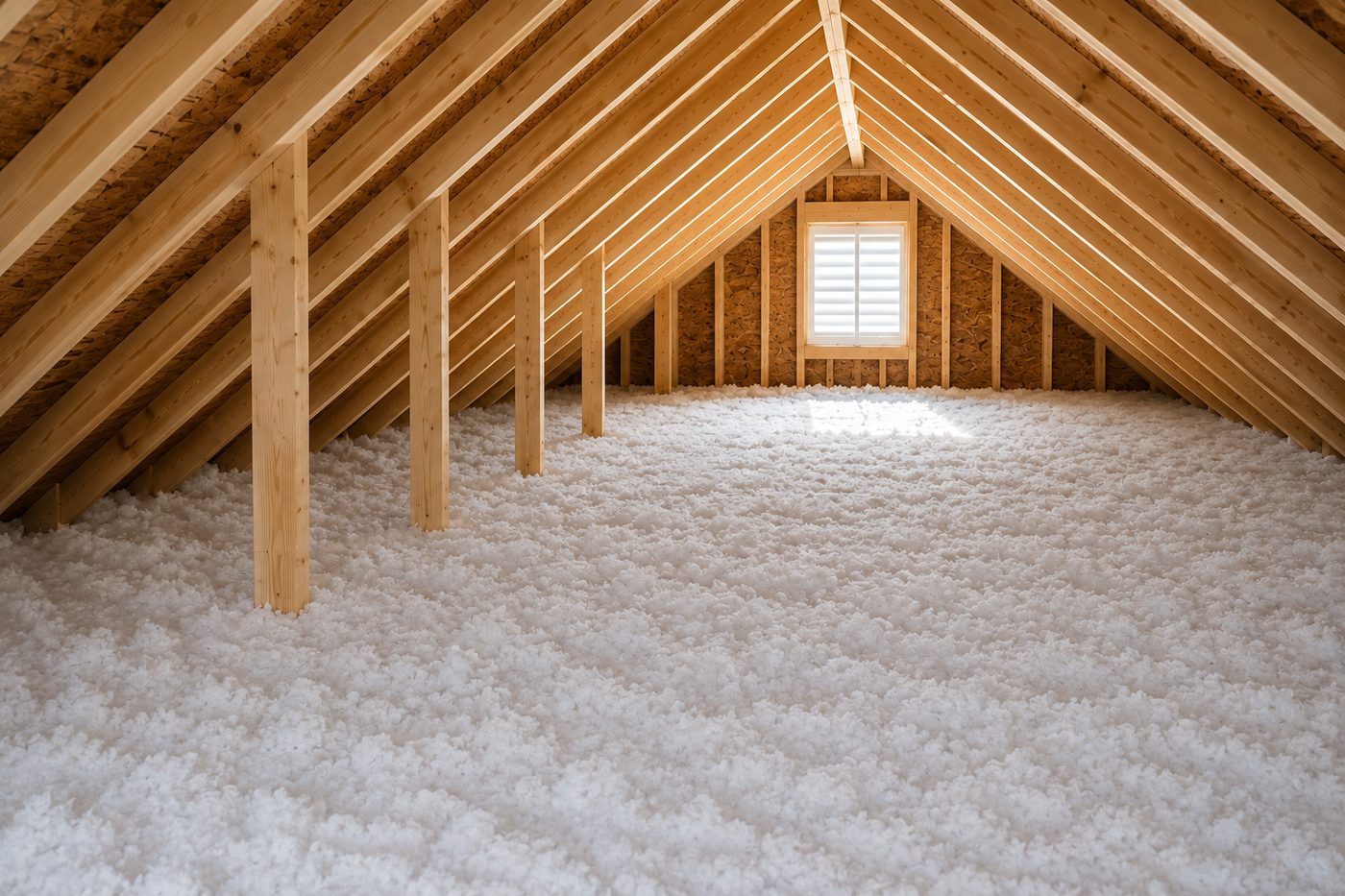
Drag the slider to compare the same attic before and after a full Owens Corning blown-in insulation install.
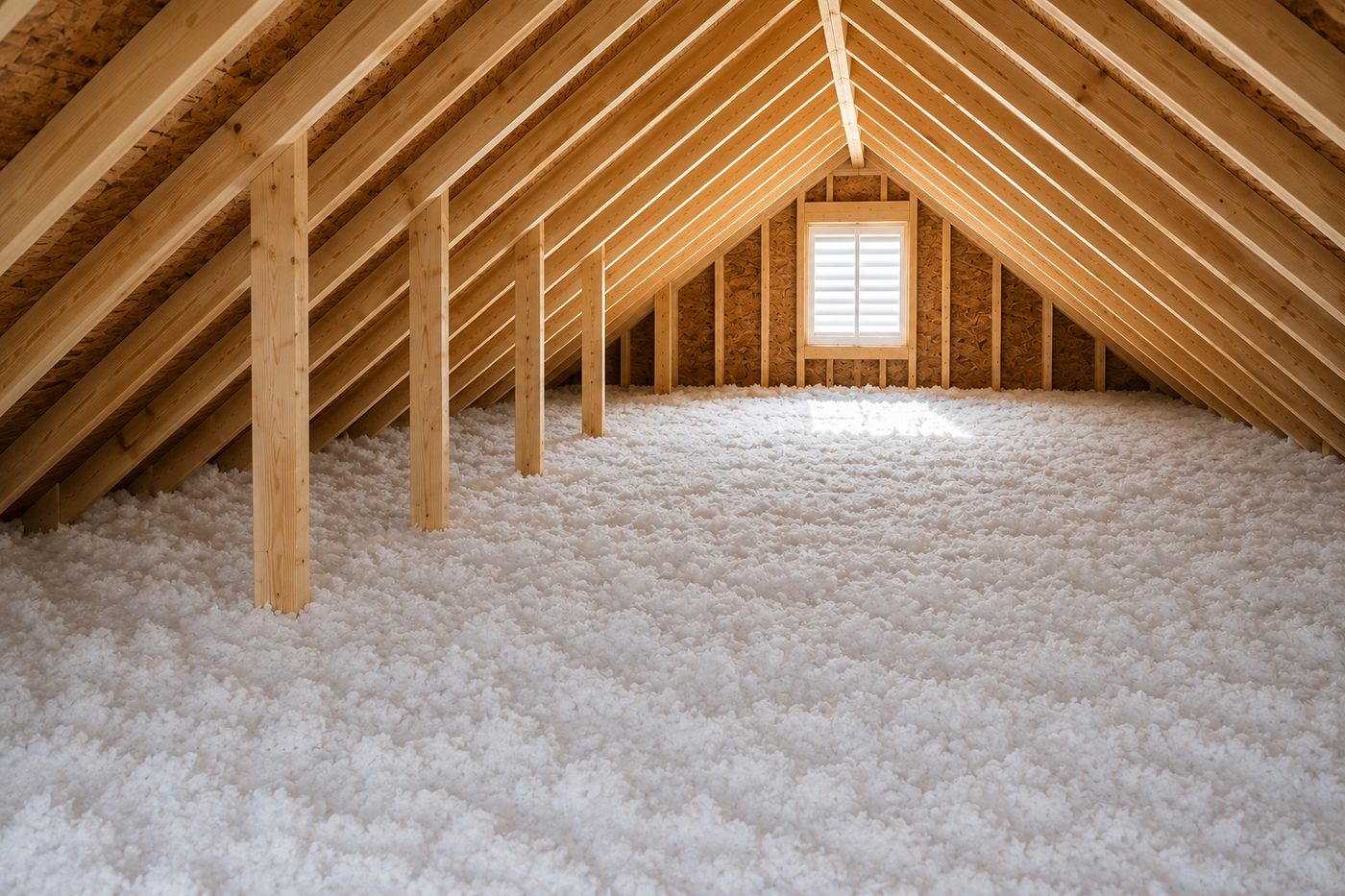
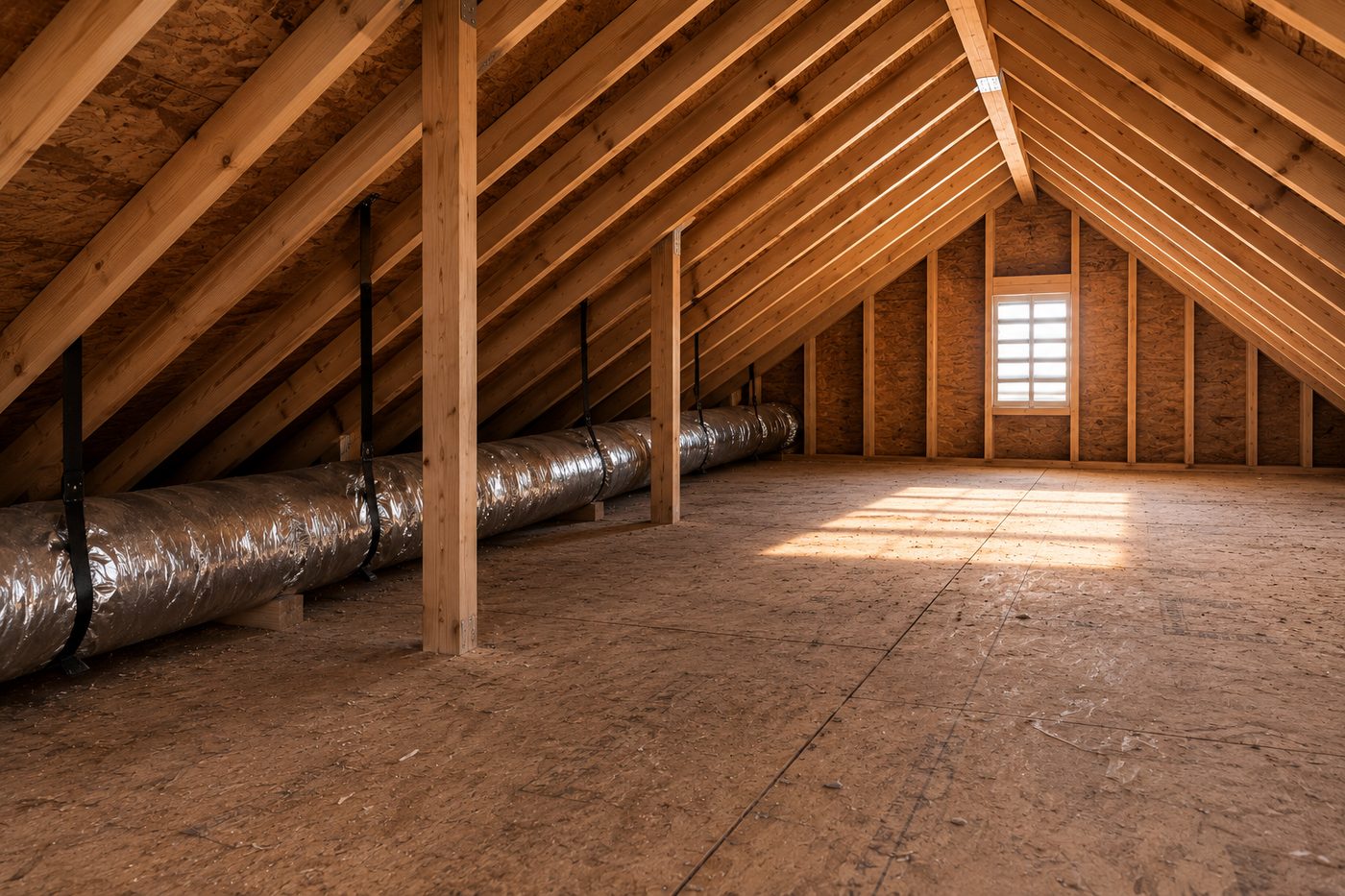
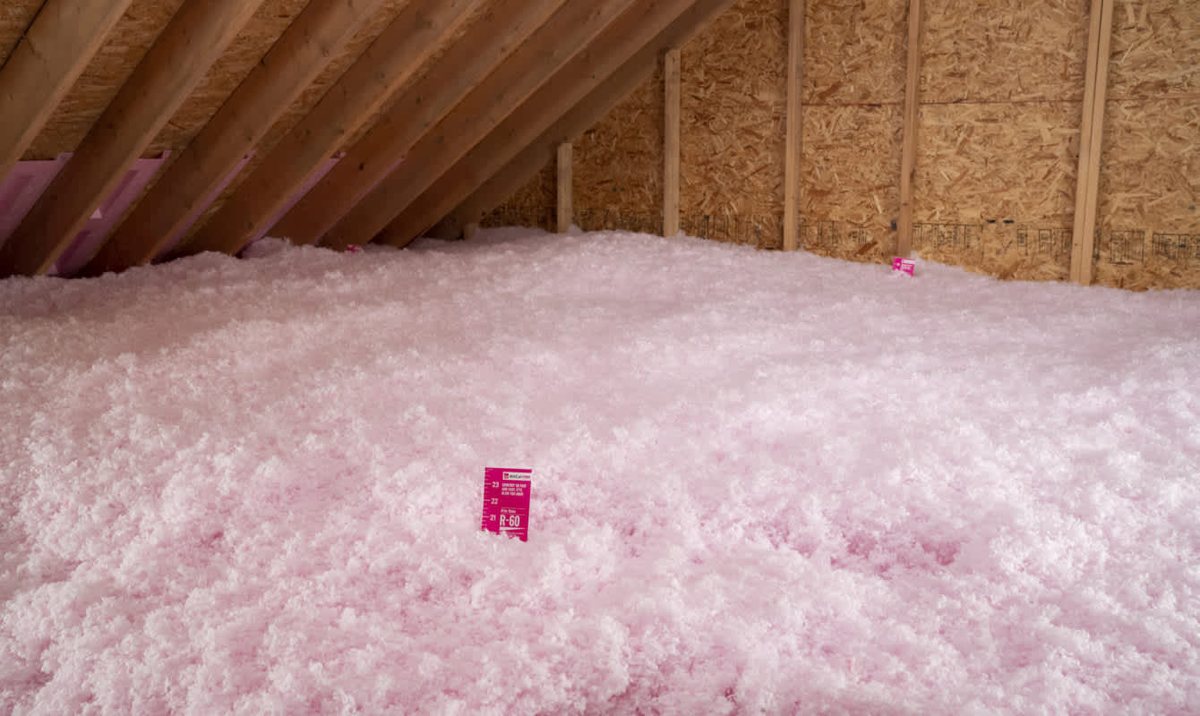
R-value measures how well insulation resists heat moving through it — think of it like the SPF rating on sunscreen. The higher the number, the more it blocks heat from passing through. A thin, low-R attic lets the air you paid to heat and cool leak straight out through the ceiling; a deep, high-R attic holds it in.
North Carolina swings from humid 95-degree summers to genuine winter cold. An attic that's right for our climate has to handle both — and most older attics don't.
An NC attic can hit 130°F+ in summer. Proper insulation stops that heat from radiating down into your living space and overworking your AC.
In winter, warm air rises and escapes through a thin attic. Building to R-60 keeps the heat you're paying for inside the house.
Our humid climate makes attic moisture management essential. Correct insulation and ventilation reduce condensation and protect the framing.
Undersized insulation forces your system to run constantly. A tight, well-insulated attic lets it cycle normally and last longer.
How blown-in fiberglass compares to the other common attic insulation choices.
| Blown-In Fiberglass | Fiberglass Batts | Spray Foam | Cellulose | |
|---|---|---|---|---|
| Fills gaps & seams | Yes — full coverage | Leaves gaps | Yes | Yes |
| Even coverage | Excellent | Varies | Excellent | Good |
| Cost | Cost-effective | Low | Highest | Moderate |
| Settling over time | Minimal | N/A | None | Settles |
| Moisture behavior | Won't absorb | Won't absorb | Air-seals | Absorbs |
| Best for | Attic floors | Walls / small areas | Sealed envelopes | Sound / budget |

Free attic inspection, an honest read on your current R-value, and a written estimate good for one full year. We'll show you exactly where your home is losing energy.
We've received your insulation request and will be in touch within one business day to schedule your attic assessment.